How showing clients what was possible drove a 20% lift in sales conversations at Cvent.
A design-led initiative that closed the gap between client expectations and platform reality at one of the world's largest event management software companies.
ROLE
Lead Designer
TEAM
1 Lead Designer, 4 Junior Designers, 2 Event Builders
TIMELINE
6 months
PLATFORM
Web / B2B SaaS
Cvent is a powerful event management platform. But most clients arrived not knowing what it could look like. That gap was costing sales, creating escalations, and frustrating everyone involved.
THE PROBLEM
The gap wasn't in the product. It was in what people could imagine.
Clients would come into projects with expectations that didn't match reality. Some thought the platform was far more limited than it was; they'd seen a default template and assumed that was all there was. Others expected pixel-perfect custom designs that the platform's editor couldn't support. Either way, the mismatch created friction escalations after delivery, long approval cycles, rework, and a sales team that struggled to close deals because they couldn't show clients what was actually possible.
The frustration wasn't just on the client side. Our sales team was having the same conversation over and over, trying to describe possibilities in words when what people needed was to see them.
BEFORE
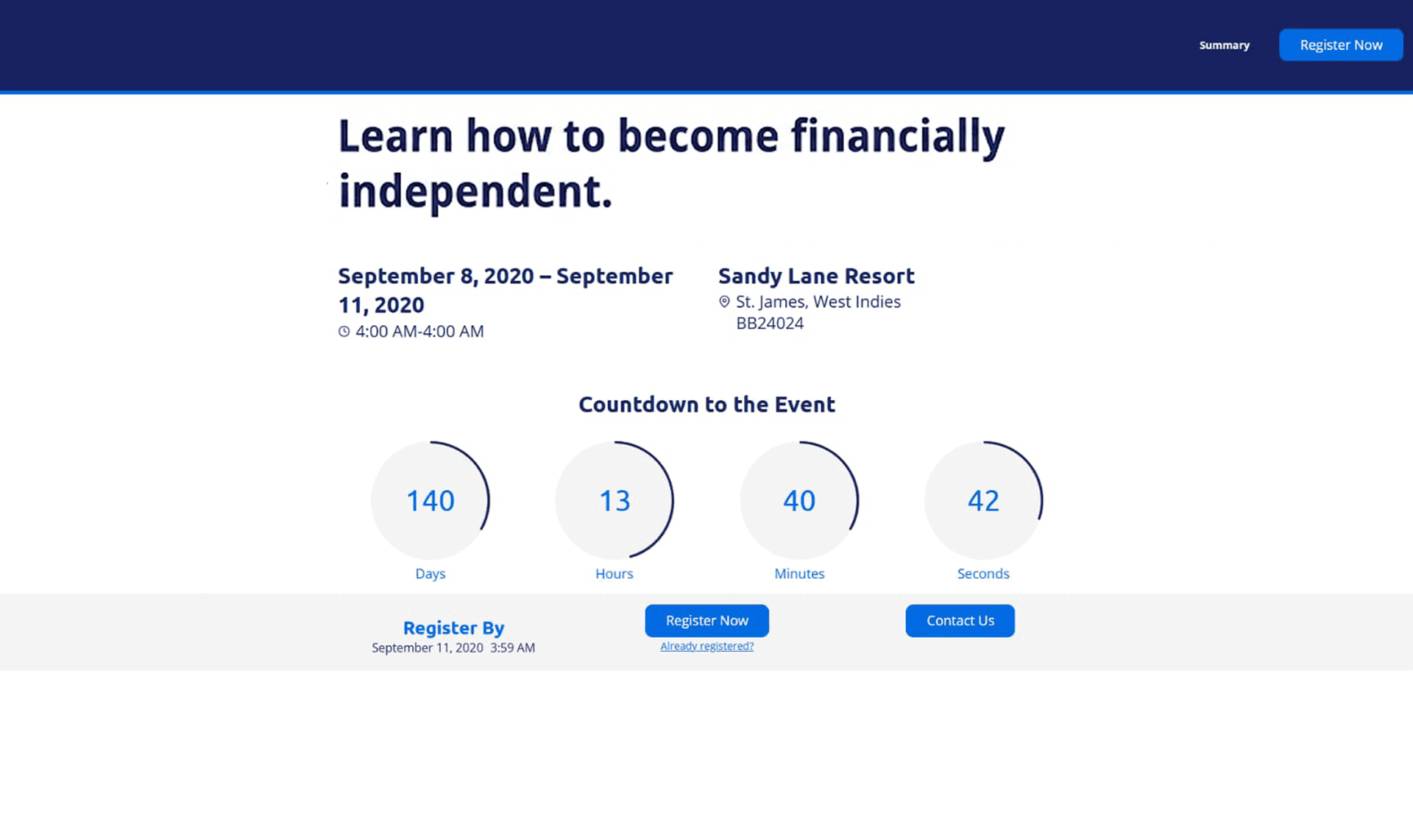
What clients saw first was a default template that undersold the platform's potential.
AFTER
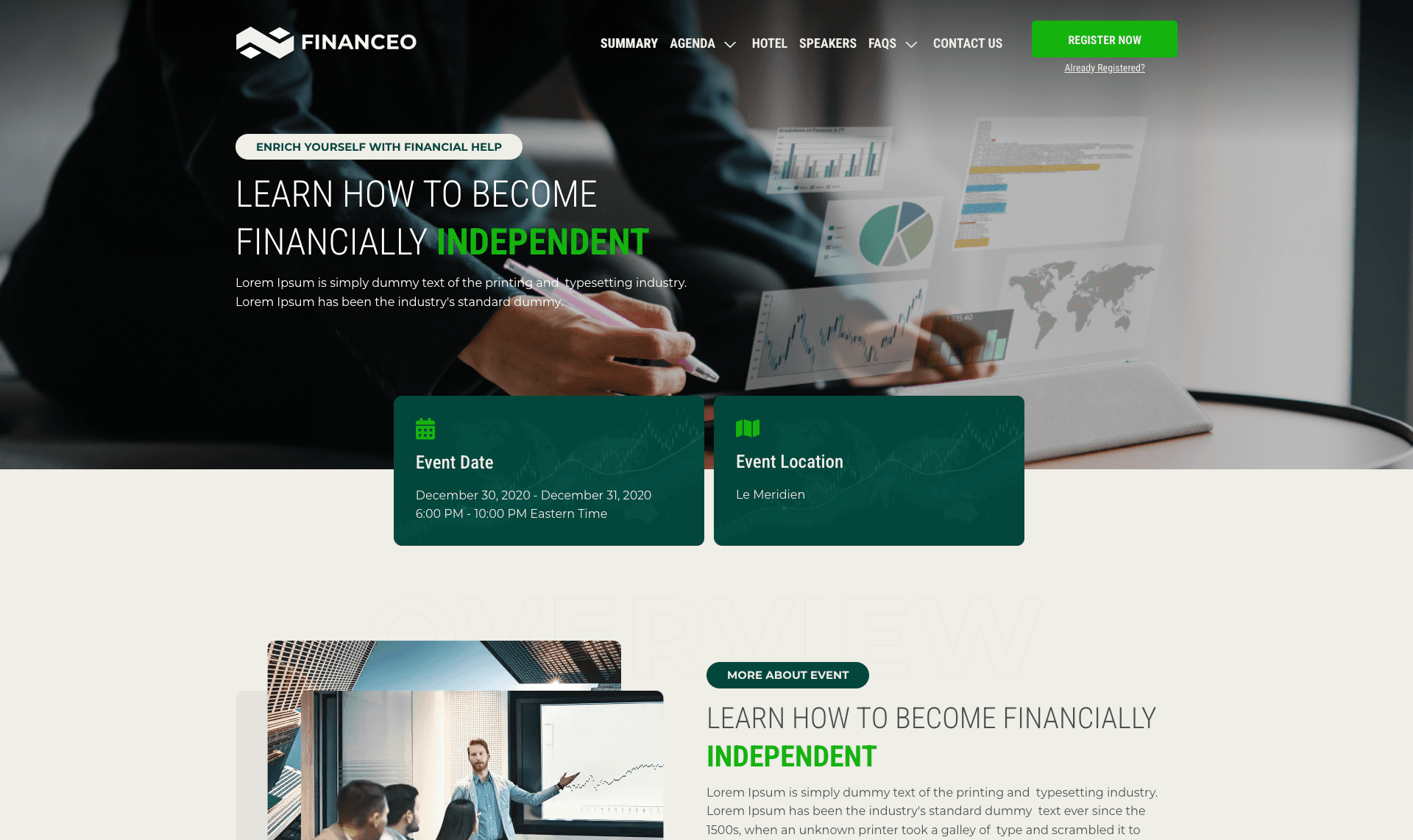
What was actually possible, but nobody knew it until we showed them.
HOW WE GOT THERE
We almost went in a completely different direction.
The first instinct, shared by most of the team, was to create a template library and share templates with clients based on their specific requirements. It felt logical. Client asks, we send options, they choose.
But we quickly realised this created more problems than it solved. Every client request meant a new round of back and forth. What if they wanted something slightly different? What if they wanted more options? The process would never scale and we would end up doing custom work for every client before a single contract was signed.
After several brainstorming sessions involving leads, managers, and at times senior management, we landed on a different idea entirely. Instead of reacting to requests, we would proactively show the full range of what was possible. A publicly accessible showcase that clients and sales teams could explore on their own terms, before the conversation even started.
DIRECTION 1
Share templates on request
Reactive. Client asks, we send options.
THE PROBLEM
Too much back and forth
Doesn't scale. Every client wants something different.
FINAL DIRECTION
Build a proactive visual showcase
Clients explore independently. Sales teams demo confidently.
"The insight wasn't about making better templates. It was about making the platform's potential visible before anyone had to ask."
WHERE I TOOK OWNERSHIP
The team decided what to build. My job was to figure out how.
The decision to build a showcase was a team effort. It came out of several brainstorming sessions involving leads, managers, and senior management. But once that direction was set, the design challenges became mine to solve. How should clients navigate hundreds of templates without feeling overwhelmed? How do we maintain quality when junior designers are building templates across multiple categories? How do we get senior management aligned at every stage of the build? How do we make sure every template is honest about what the platform can actually do?
There was an added layer of complexity that shaped every decision I made. The showcase wasn't being built for designers. It was being built for B2B clients. Event managers, marketing coordinators, procurement teams. People who needed to feel inspired and confident, not overwhelmed. Someone who had never thought about information hierarchy or navigation patterns before still needed to land on this platform and immediately understand what to do next. That constraint changed everything about how I approached the structure.
EARLY EXPLORATIONS
Finding the right structure before touching visual design.
Before designing any templates, I needed to answer a structural question: how should clients navigate the showcase? I explored several approaches before landing on the filter-based system. The B2B audience was the deciding factor at every stage.
EXPLORATION A
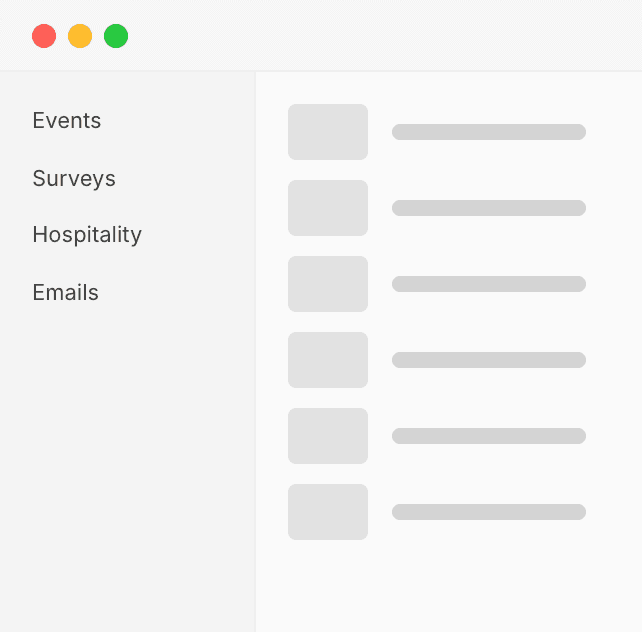
List-based navigation — felt too much like a file directory. B2B clients needed inspiration, not a menu to navigate.
EXPLORATION B
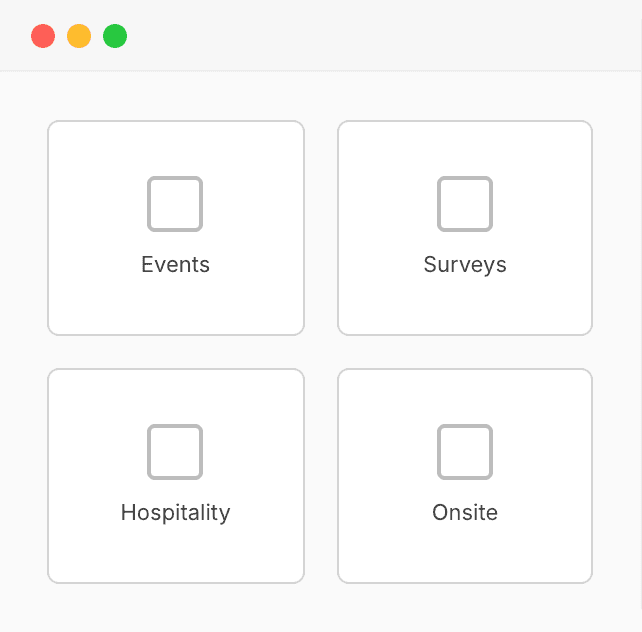
Category-first approach added friction. Clients had to know the right category before they could see anything visual.
EXPLORATION C
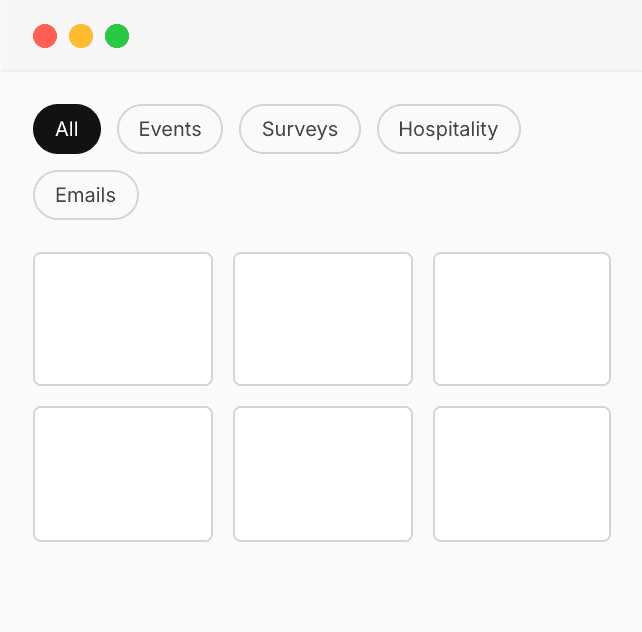
Filter-based gallery let clients browse visually first and understand the categories as they went. No prior knowledge needed.
KEY DECISIONS
Every template had to be real — not aspirational.
The most important constraint I set was honesty. Every design in the showcase had to be fully achievable within Cvent's actual editor. No custom code that clients couldn't replicate, no design that required development work beyond what the platform supported.
This meant reviewing modern web patterns and templates from across the industry, then asking: can we build this within the platform's constraints? Sometimes the answer was yes with modifications. Sometimes it was no, and we moved on. We weren't making a design portfolio. We were making a promise to clients about what they could actually have.
CHOSEN
Platform-constrained designs only
REJECTED
Aspirational designs requiring custom development
WHY
A showcase that overpromises creates the exact problem we were trying to solve.
CHOSEN
Broad category coverage — events, surveys, hospitality, emails, onsite
REJECTED
Focus only on event registration websites
WHY
Clients needed to see the full platform potential, not just its most visible feature.
CHOSEN
Cvent's own brand colors and typography for the showcase UI
REJECTED
A custom visual identity for the showcase website
WHY
The showcase needed to feel like a native Cvent product. Using Cvent's own brand system kept the focus on the templates, not the container holding them.
WHAT WE BUILT
A living platform that sales teams still use today.
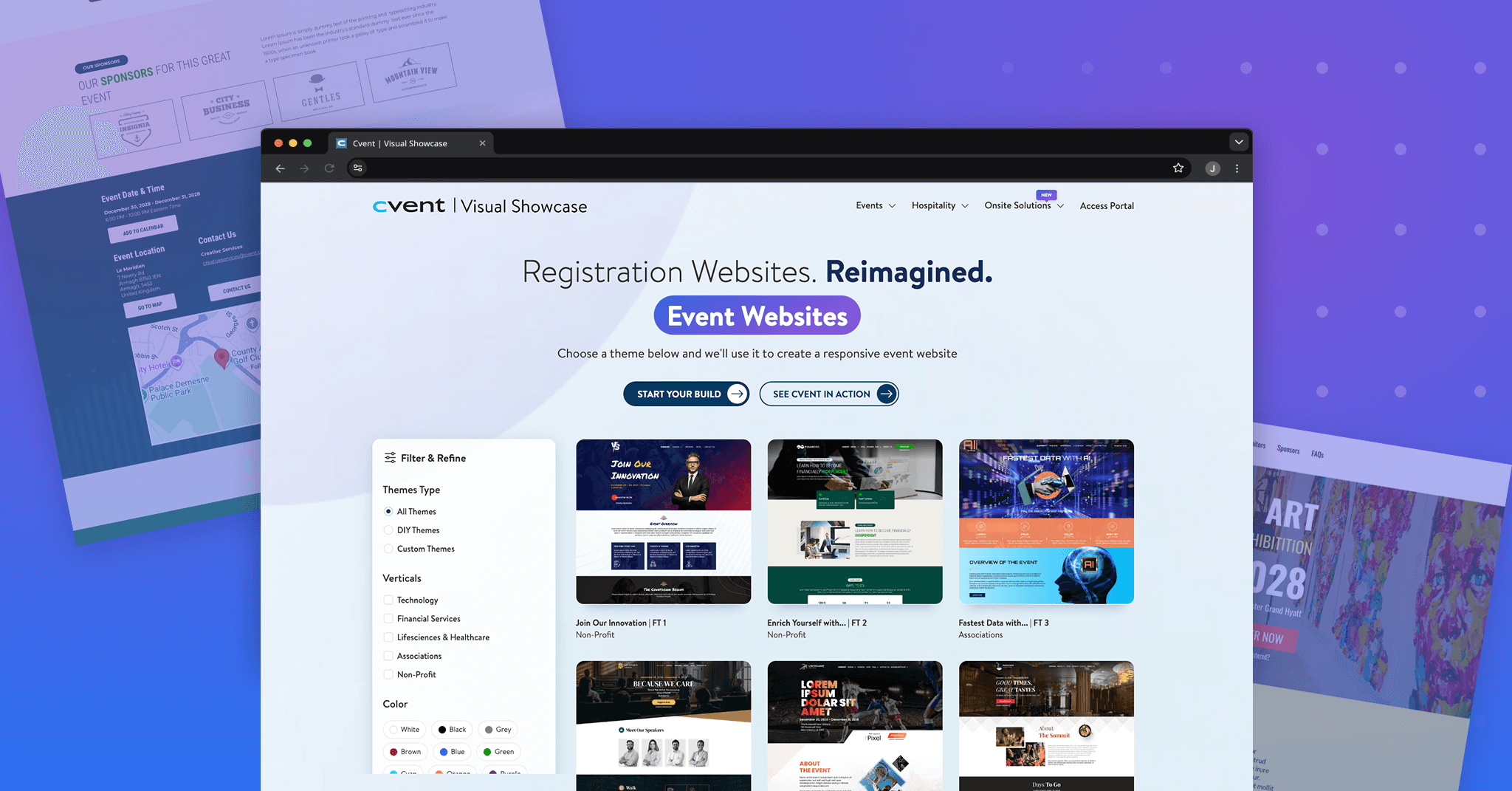
The showcase organised templates by event type, industry vertical, colour palette, and complexity, giving clients multiple ways to find something that felt relevant to them. Every template was real, implementable, and linked to guidance on how to build it. Two event builders from the technical team worked alongside us to set up the template infrastructure within Cvent's backend, so the design team could focus entirely on front-end visual execution without getting blocked on platform configuration.
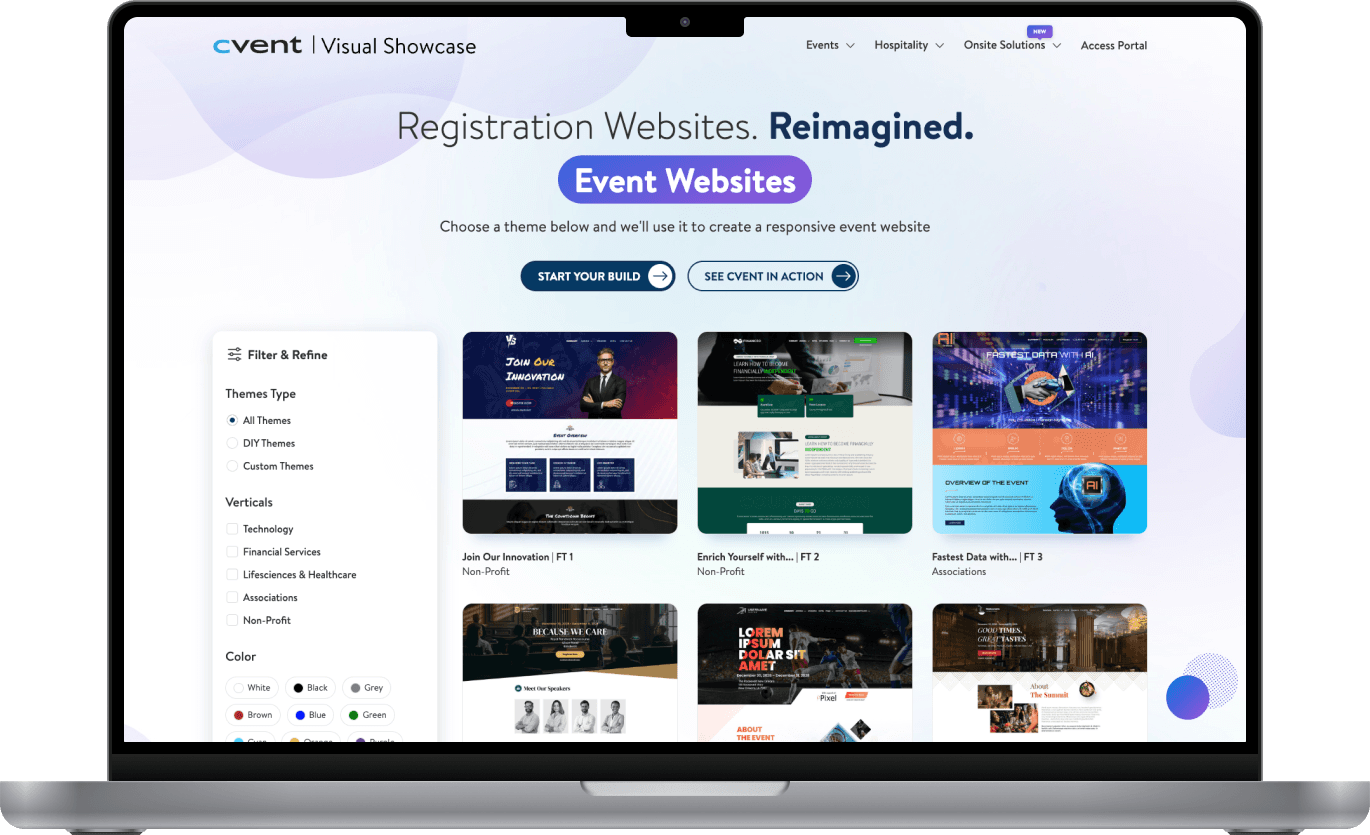
The homepage — filter by theme type, industry vertical, and colour to find relevant examples fast.
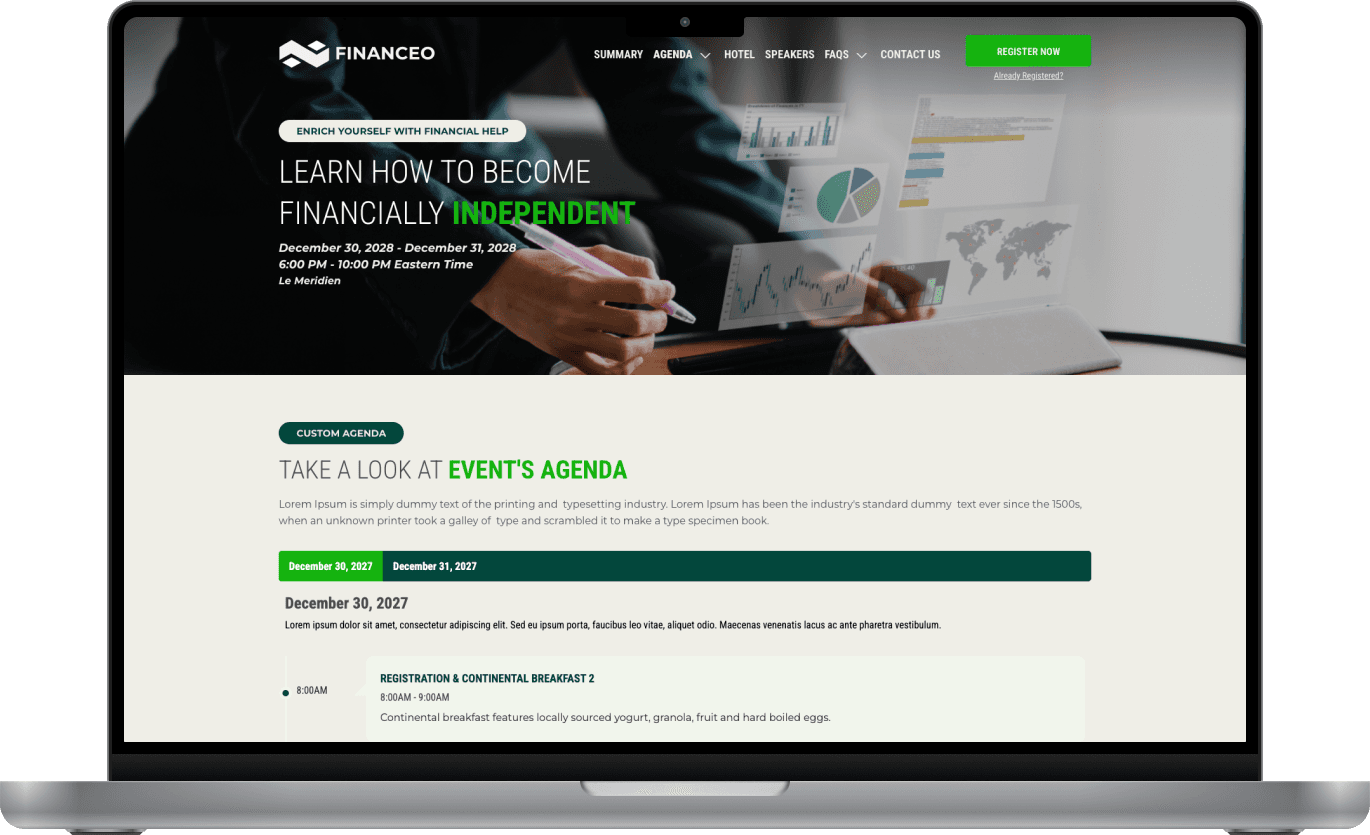
Individual templates shown in full — every detail achievable within Cvent's editor, nothing that required custom development.
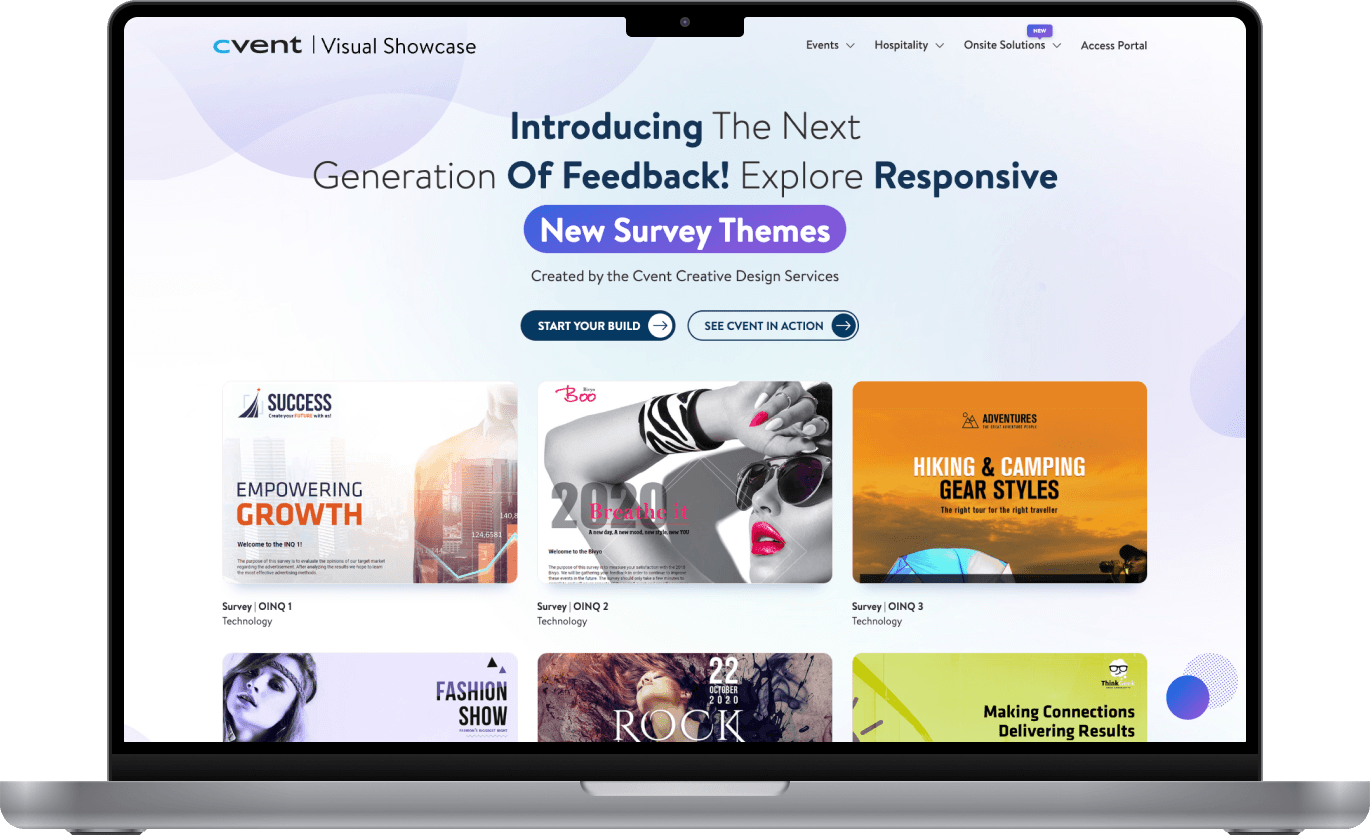
Survey and email templates — extending the showcase beyond registration to cover the full attendee journey.
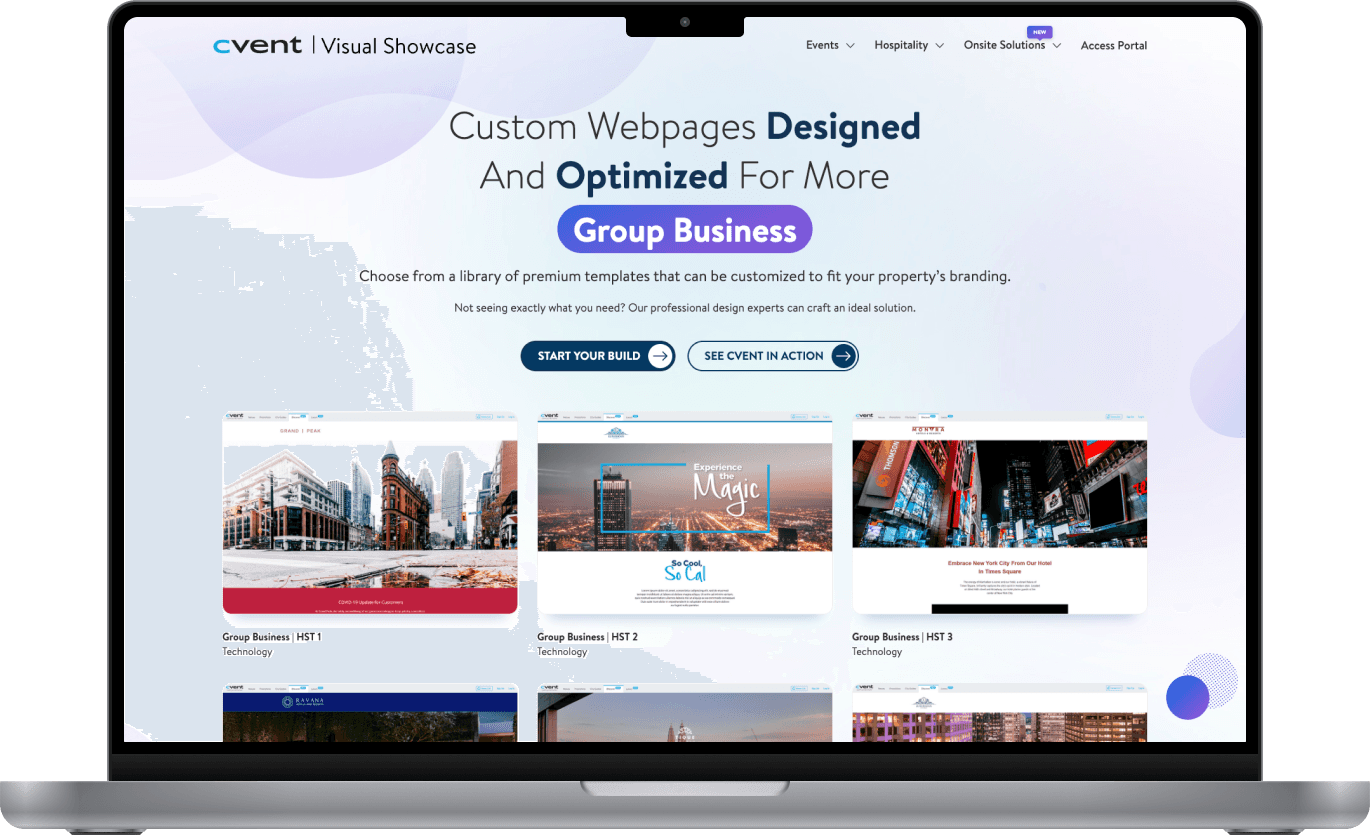
Hospitality and onsite solutions — showing clients the platform's full breadth, not just its most visible features.
WHAT CHANGED
Design started solving problems before projects even began.
The shift was visible quickly. Sales teams adopted the showcase as their primary demo tool. Instead of describing what Cvent could do, they could show it. Client conversations changed character. Expectations were better calibrated before projects started, which meant fewer surprises during delivery.
Escalations dropped. Client satisfaction improved. Sales conversions increased. These weren't marginal changes. They were felt across the team. The showcase is still live today and continues to be used by Cvent's global sales and client teams.
~30%
Reduction in escalations
Fewer misaligned expectations reaching delivery
~20%
Improvement in client satisfaction
Clients felt more confident earlier in the process
~25%
Lift in sales conversations
Teams could show rather than explain
Metrics are approximate, based on team reporting from the quarter following launch.